:max_bytes(150000):strip_icc():focal(801x261:803x263)/Matthew-Lillard-paramount-event-102425-a13882f0fc524685bbb840985e4e9563.jpg)
Hollywood doesn’t forget — it repackages. Matthew Lillard knows this better than most. Once the twitchy, wide-eyed foil in Scream and the voice behind a generation’s favorite stoner cartoon dog, he’s now a go-to presence in reboots, legacy sequels, and streaming revivals. And he’s candid about why: nostalgia.
“I’m not naive,” Lillard said in a recent interview. “I know people see me and they don’t just see me — they see 1996. They hear ‘Do you like scary movies?’ They remember Billy Loomis. They remember Shaggy. That’s the memory lane I walk down every time I walk on set.”
It’s not self-deprecation. It’s strategy. Lillard has turned audience nostalgia into a second act — not by resisting it, but by weaponizing it.
The Nostalgia Economy and Why It Loves Matthew Lillard
Nostalgia isn’t just a feeling — it’s a billion-dollar engine in entertainment. Studios rely on it to de-risk reboots, attract built-in audiences, and generate instant buzz. And actors like Matthew Lillard, tied to iconic 90s and early 2000s roles, become valuable currency.
Lillard’s career arc mirrors this shift. After Scream in 1996, he bounced between indie films, straight-to-DVD projects, and quirky supporting roles. But by the 2010s, two things changed: streaming made back catalogs accessible, and audiences began craving comfort in familiar IP.
Suddenly, Lillard wasn’t just an actor with a cult following — he was a nostalgia trigger.
Consider Scooby-Doo. The 2002 live-action film was panned by critics but adored by teens and tweens. Lillard’s manic, lovable Shaggy became the film’s breakout. Kids who saw it then are now 30-something parents, introducing their own children to the franchise. When Warner Bros. revived Scooby-Doo in animated form, Lillard was the only logical choice to voice Shaggy — not because he’s the best voice actor, but because he’s the Shaggy.
Same with Scream. When the franchise returned for a fifth installment in 2022, Lillard didn’t just appear — he played a therapist unpacking trauma, a meta-commentary on the series’ legacy. His presence wasn’t a cameo. It was emotional resonance.
Legacy Roles as Career Lifelines For many 90s actors, staying relevant means reinvention. For Lillard, it meant re-embodying.
Other stars have struggled with typecasting. But Lillard leaned into it — intelligently. He didn’t just reprise Shaggy; he voiced multiple iterations across Be Cool, Scooby-Doo!, Scoob!, and even video games. He became synonymous with the character, to the point where younger fans assume he’s always been the voice.
That kind of brand ownership is rare. And it’s a direct result of nostalgia.
“Hollywood keeps hiring me because I represent a moment,” Lillard said. “I represent a time when people felt something. Maybe it was fear. Maybe it was laughter. But they felt it — and studios want to tap back into that.”
This isn’t unique to Lillard, of course. Look at Neve Campbell, David Arquette, or Courteney Cox returning to Scream. Or Keanu Reeves reviving The Matrix. These aren’t just casting decisions — they’re psychological shortcuts. Audiences trust what they remember.
But Lillard’s case is distinct. Unlike Campbell or Reeves, he didn’t become a global superstar. He remained a character actor — which, ironically, makes him more adaptable. He’s not burdened by A-list expectations. He can slide into nostalgia-driven projects without the pressure of carrying a $100M budget.
The Scream Effect: How One Role Keeps Giving
No discussion of Lillard’s nostalgia appeal is complete without Scream.
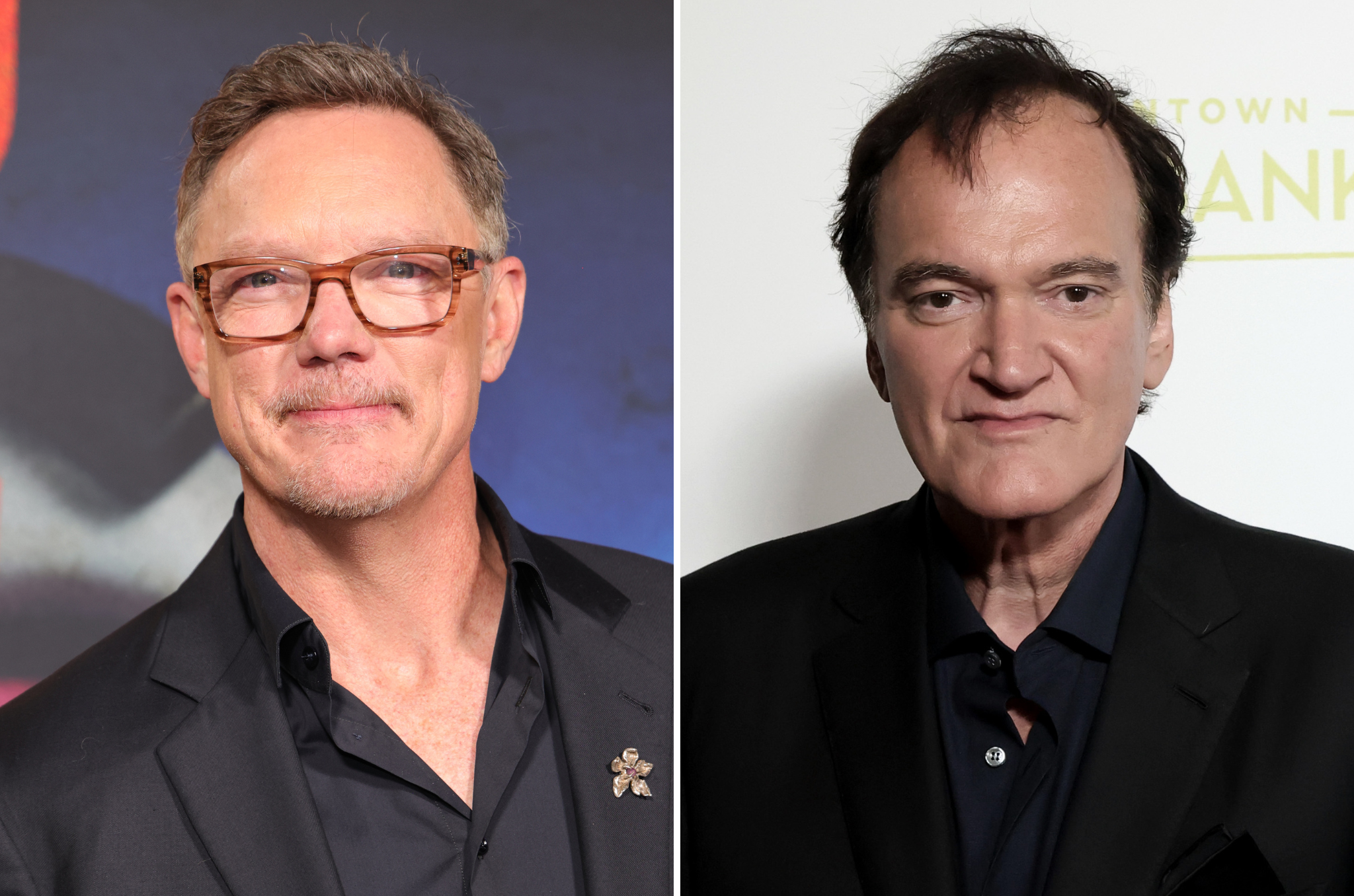
The 1996 slasher, directed by Wes Craven, redefined horror. And Lillard’s Billy Loomis — the seemingly goofy boyfriend who turns out to be the killer — became iconic. His performance was a masterclass in misdirection: equal parts charm, menace, and adolescent rage.
For years, fans debated Billy’s psychology. Was he psychotic? Manipulative? A product of neglect? Lillard leaned into the complexity, giving interviews that explored Billy’s motivations with surprising depth.
That investment paid off decades later.
When Scream (2022) brought back legacy characters, Lillard wasn’t just name-dropped — he was central to the plot. His daughter, Tara (played by Jenna Ortega), becomes a target, tying the new generation to the original trauma. The film doesn’t just reference Billy — it confronts his legacy. That emotional throughline only works because Lillard’s performance still resonates.
And he knows it.
“I’ve had fans tell me, ‘Billy ruined dating for me,’” Lillard joked. “But seriously — that role stuck. It got under people’s skin. And now, when they see me, they don’t just see me. They see the hallway. They hear the phone ring. That’s powerful.”
Beyond Shaggy and Billy: Nostalgia in Unexpected Places
Lillard’s nostalgia value isn’t limited to horror or cartoons.
He’s appeared in HBO’s Westworld, playing a guest consumed by the park’s illusions — a role that subtly mirrors his own relationship with fame and memory. He’s popped up in Haven, a supernatural drama that leaned into small-town unease, a tone familiar to Scream fans.
Even his indie work benefits from audience memory. When he stars in a low-budget thriller, viewers bring their associations with Billy Loomis to the table. Is this character trustworthy? Is he hiding something? That subtext — unspoken but present — adds layers to his performances.
This is the quiet advantage of being a nostalgia figure: you carry narrative weight without saying a word.
Directors know this. Casting directors know this. And Lillard uses it.
“I can walk into a room and the director already has a sense of rhythm with me,” he said. “They know my cadence. They remember how I move. That’s not ego — it’s history.”
The Risk of Being “That Guy”
Nostalgia isn’t a free pass. For every successful comeback, there’s a cautionary tale.
Some actors get trapped in their past — reduced to convention appearances, voice gigs, or self-parody. Lillard avoids this by staying selective.
He turned down early offers to reprise Shaggy, waiting until the role felt right. He’s avoided playing Billy 2.0 in knockoff horror films. And he’s pursued non-nostalgia projects, like his acclaimed performance in The Descendants (2011), where he played a flawed but sympathetic businessman.
Still, he admits the tightrope is real.
“There’s a danger in becoming a caricature of yourself,” Lillard said. “I could do Shaggy impressions for the rest of my life and make a decent living. But that’s not why I got into acting.”
His solution? Context.
He’ll return to legacy roles — but only when there’s a reason. When Scoob! reimagined the Scooby-Doo universe as a superhero-adjacent franchise, he saw an opportunity to expand the character. When Scream (2022) examined generational trauma, he saw a way to honor Billy’s impact without glorifying it.
“It’s not about cashing a check,” he said. “It’s about adding something. If I’m just there for the nostalgia hit, then I’ve failed.”
Why Hollywood Can’t Let Go of the 90s
Lillard’s story reflects a broader industry trend: Hollywood’s obsession with the past.
Between 2010 and 2023, over 40% of the top-grossing films were sequels, reboots, or adaptations of existing IP, according to Statista. Nostalgia isn’t a side project — it’s the main menu.
And the 90s? That’s the sweet spot.
It’s late enough to feel classic, early enough that the original audience is still alive and spending. That demographic — now 35 to 50 — has disposable income, streaming subscriptions, and kids to introduce to their favorite stories.
Actors from that era are uniquely positioned. They’re recognizable but not overexposed. They bring authenticity, not just name recognition.
Lillard gets it.
“We’re not just props,” he said. “We’re part of the DNA of these stories. When people see us, it’s not just ‘Oh, there’s that guy.’ It’s ‘Oh, I was 14 when I saw that. I was scared. I laughed. I shared it with someone.’ That’s real. That’s connection.”
How Lillard Stays Relevant Without Selling Out
So how does an actor thrive in the nostalgia economy without becoming a puppet of the past?
Lillard’s playbook:
- Be selective – Only return to legacy roles when the story justifies it.
- Add depth – Use your history to enrich the character, not repeat it.
- Stay active outside nostalgia – Keep working in indie films, theater, or behind the camera.
- Engage authentically – Fans can smell a paycheck. Show up with intention.
- Embrace evolution – Let the character grow, even if the audience remembers the old version.
He’s also explored directing, helming the 2018 film Fat Kid Rules the World. It didn’t make waves, but it showed range — a reminder that he’s more than a face from a poster.
Still, he doesn’t fight the nostalgia.
“I used to worry about being boxed in,” he admitted. “Now I see it as a foundation. You build on it. You don’t tear it down.”
Closing: Nostalgia as a Superpower
Matthew Lillard isn’t just surviving in Hollywood — he’s thriving by understanding its emotional mechanics.
He knows that audiences don’t just watch movies; they remember where they were, who they were with, how they felt. And when he walks on screen, he carries that with him.
Hollywood keeps hiring him because he’s not just an actor. He’s a time machine.
And in an era of remakes, reboots, and endless content, that might be the most valuable skill of all.
FAQ
Why does Matthew Lillard keep getting cast in reboots? Because of his iconic roles in Scream and Scooby-Doo, which trigger strong audience nostalgia — a key driver in casting for legacy sequels.
Has Matthew Lillard played Shaggy in all Scooby-Doo projects? No, but he’s voiced Shaggy in most animated and live-action adaptations since 2002, including Be Cool, Scooby-Doo! and Scoob!.
Did Matthew Lillard return for Scream (2022)? Yes, though not as a living character. Billy Loomis’ legacy is central to the plot, and Lillard appears in flashbacks and video footage.
Is Matthew Lillard only known for nostalgic roles? Primarily, yes — but he’s also acted in non-nostalgia projects like The Descendants and Haven, and directed the indie film Fat Kid Rules the World.
Does Matthew Lillard embrace being typecast? He acknowledges it but doesn’t accept it blindly. He chooses roles that expand on his legacy rather than repeat it.
What makes nostalgia casting effective? It taps into audience emotion, reduces marketing risk, and creates instant engagement by reconnecting viewers with beloved characters and memories.
Can nostalgia alone sustain an acting career? Not long-term — but when combined with smart choices and authenticity, as Lillard does, it can fuel a durable second act.
FAQ
What should you look for in Matthew Lillard Says Nostalgia Is Why Hollywood Keeps Hiring Him? Focus on relevance, practical value, and how well the solution matches real user intent.
Is Matthew Lillard Says Nostalgia Is Why Hollywood Keeps Hiring Him suitable for beginners? That depends on the workflow, but a clear step-by-step approach usually makes it easier to start.
How do you compare options around Matthew Lillard Says Nostalgia Is Why Hollywood Keeps Hiring Him? Compare features, trust signals, limitations, pricing, and ease of implementation.
What mistakes should you avoid? Avoid generic choices, weak validation, and decisions based only on marketing claims.
What is the next best step? Shortlist the most relevant options, validate them quickly, and refine from real-world results.