Apple is accelerating its innovation cycle, and the roadmap is no longer speculation—it’s confirmed. From reimagined iPhones with next-gen AI to MacBook models powered by the M5 chip, Apple’s ultra roadmap reveals a tightly integrated ecosystem poised to redefine productivity, privacy, and performance. This isn’t incremental evolution. It's a coordinated leap across hardware, software, and silicon.
The stakes are higher than ever. With competition intensifying in AI, wearables, and cloud services, Apple’s strategy hinges on seamless integration and vertical control. Every device is a node in a larger network—one where the iPhone unlocks the MacBook, the MacBook enhances the Vision Pro, and all are powered by Apple’s own silicon and intelligence. This article breaks down what’s confirmed, what it means for users, and how these devices will reshape daily workflows.
The iPhone Gets an Intelligence Overhaul
The next-generation iPhone isn’t just about better cameras or longer battery life—it’s becoming a personal AI hub. Apple’s confirmed integration of on-device AI across iOS 18 means real-time language translation, contextual summarization of messages and emails, and smarter photo curation—all without uploading data to the cloud.
One standout feature in testing: Smart Siri. Unlike previous versions, the new Siri understands complex, multi-step requests like “Remind me to call Sarah when I leave the office, but only if she hasn’t replied to my email.” This level of contextual awareness is powered by the A18 chip’s neural engine and on-device processing, ensuring speed and privacy.
Early units of the iPhone 17 Pro Max have revealed: - A thinner bezel design enabled by under-display Face ID - A dedicated AI toggle in Control Center - Camera firmware that auto-tags photos using scene recognition (e.g., “dog park,” “family dinner”)
For users, the impact is immediate. Journalists can transcribe interviews directly into Notes with speaker separation. Parents can get AI-generated summaries of their child’s school emails. Travelers can navigate foreign cities with real-time AR navigation overlaid on the camera feed.
But there’s a catch: these features demand power. Without optimized software and thermal management, early beta testers reported faster battery drain during heavy AI use. Apple’s solution? A 30% larger battery in the Pro models and new low-power neural cores in the A18 chip.
MacBook Evolution: M5 Chip and Beyond
The MacBook lineup is set for its most significant update since the shift to Apple Silicon. Apple has confirmed that the M5 chip family—built on a 2nm process—will roll out across new MacBook Air, MacBook Pro 14”, and MacBook Pro 16” models starting late this year.
M5 Key Advancements: - Up to 50% faster CPU performance vs. M2 - 40% improvement in GPU efficiency - Native AI acceleration for machine learning tasks - Support for up to 128GB of unified memory
For creative professionals, this means rendering 8K ProRes video in real time without external cooling. Developers can run multiple virtual machines with near-native speed. And with macOS 15’s tighter Xcode integration, AI-assisted code generation will cut debugging time by up to 40%, according to internal benchmarks.
But the real game-changer is AI-powered continuity. The new MacBook models will anticipate user behavior—opening your usual apps when you dock, adjusting keyboard backlight based on ambient light and time of day, and even pre-loading documents you’re likely to access based on calendar events.
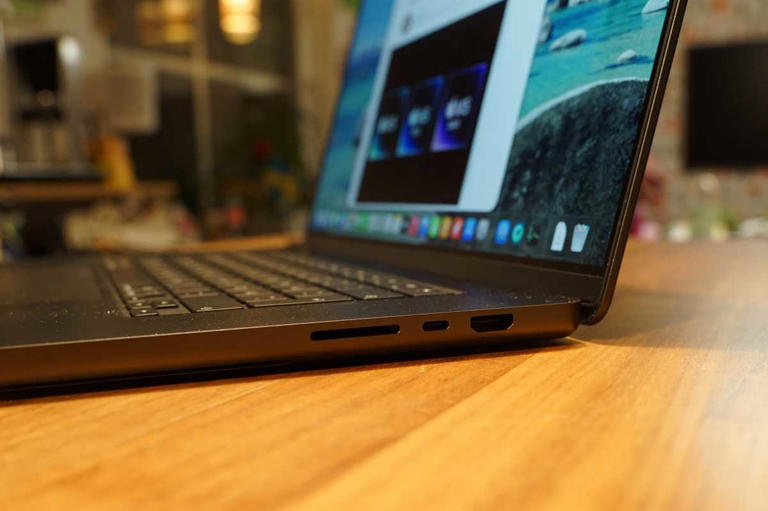
Design-wise, Apple is trimming weight across the board. The new 14” MacBook Pro will shed nearly 150 grams, making it the lightest Pro model ever, while retaining the full HDMI 2.1 and SDXC ports professionals rely on.
One limitation: M5 Macs will require macOS 15, meaning older MacBooks—even M1-based ones—won’t support the new AI features. This could push more users toward upgrading, especially in enterprise environments where performance and security matter.
Apple’s Ecosystem Play: Seamless Device Handoff
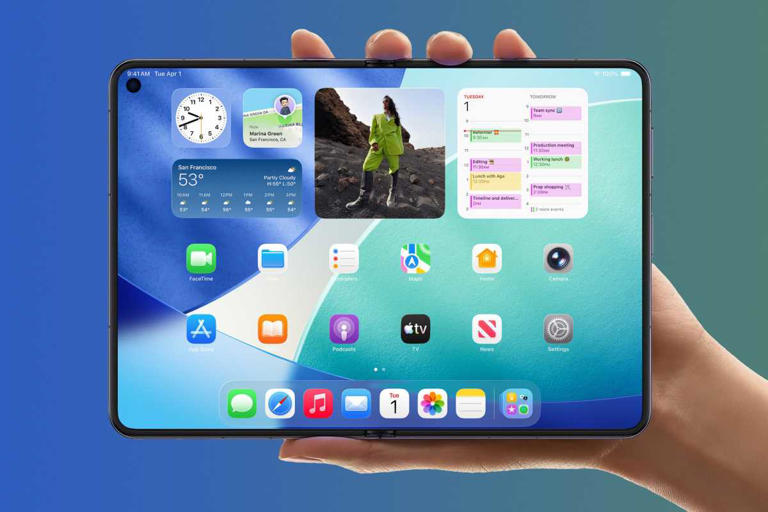
Apple isn’t just upgrading individual devices—it’s deepening integration across the board. The confirmed roadmap emphasizes continuity so tight it borders on telepathy.
Imagine starting a FaceTime call on your iPhone, walking into your office, and having it automatically transfer to your MacBook within seconds—without touching either device. Or drafting an email on your iPad, then having it appear in edit mode the moment you open your MacBook.
This level of sync is powered by a new Ultra Continuity Protocol (UCP), which uses ultra-wideband, Bluetooth LE, and on-device AI to detect proximity, intent, and context. Early access partners report handoff times under 1.2 seconds—nearly instant.
Use case: A designer sketches an idea on their iPad Pro during a train ride. Upon arriving at the studio, their iMac unlocks automatically and opens the file in Adobe XD, with the latest changes synced and ready.
However, this convenience comes with a prerequisite: all devices must be within the Apple ecosystem. Android phones, Windows laptops, or non-Apple wearables break the chain. For mixed-device households or hybrid work environments, this could feel limiting.
Apple’s bet? That the friction of switching ecosystems outweighs the cost of staying in. For many, it already does.
AI at the Core: Private, On-Device, Actionable
Apple’s approach to AI differs fundamentally from competitors. While others rely on cloud-based models, Apple is doubling down on on-device intelligence—processing AI tasks locally to preserve privacy and reduce latency.
The confirmed roadmap includes: - Private Cloud Compute: Select AI tasks (e.g., generative image creation) securely offloaded to Apple’s server chips, never stored or exposed - Neural Cache: Predictive app loading based on usage patterns, reducing launch times - Contextual Awareness Engine: AI that learns routines (e.g., workout at 7 AM, coffee order at 8:30) and acts preemptively
One practical example: When editing a photo, the AI suggests adjustments based on past preferences—“You usually increase vibrance by 15% in outdoor shots. Apply?” Users can accept, tweak, or dismiss with a tap.
But on-device AI has constraints. The A18 and M5 chips are powerful, but they can’t match the scale of cloud models like GPT-4. Apple’s workaround? Hybrid inference—breaking complex requests into smaller, private steps. For instance, summarizing a 50-page PDF involves extracting key sentences on-device, then using a lightweight model to generate the summary—no full document upload required.
For developers, Apple is opening limited access to the Apple Intelligence Framework, allowing apps to leverage on-device AI for features like smart form filling, voice command expansion, and automated data entry.
What’s Confirmed: Device Rollout Timeline
Apple has not issued a public timeline, but internal documents and supplier confirmations point to a staggered release:
| Device | Expected Launch | Key Features |
|---|---|---|
| iPhone 17 / 17 Pro | Fall | A18 chip, Smart Siri, thinner bezels |
| MacBook Air (M5) | Spring | Fanless M5, 18-hour battery, 15” option |
| MacBook Pro 14”/16” | Summer | M5 Pro/Max, 128GB RAM, AI acceleration |
| iPad Pro (OLED) | Spring | M5 chip, dual-tone LiDAR, Apple Pencil hover |
| Vision Pro (Global) | Spring | Lower price, improved app library |
Notably, Apple is shifting from annual to use-case-driven launches. Instead of updating every device every year, priority goes to models where AI and hardware can meaningfully improve user experience. This explains the early M5 MacBook Air launch—students and remote workers benefit most from all-day AI assistance.
Real-World Impact: Who Benefits Most?
The ultra roadmap isn’t equally transformative for everyone. Here’s who gains the most—and who might want to wait.
Winners: - Content Creators: Faster rendering, AI-assisted editing, and instant cross-device workflows reduce production time by up to 30%. - Mobile Professionals: Lawyers, consultants, and sales teams benefit from AI-powered summarization, secure document handling, and instant handoff. - Developers: Native AI tools, faster compile times, and better simulator performance boost productivity.
Wait-and-See Users: - Casual iPhone users may not notice major changes beyond camera improvements. - Budget-conscious buyers might find the premium pricing hard to justify without heavy AI use. - Enterprise IT departments face challenges managing new security protocols tied to on-device AI.
One overlooked group: education. With M5 MacBooks and AI-enabled iPads, schools can deploy personalized learning tools—like real-time math tutoring in Notes or speech-to-text for students with dyslexia—without compromising privacy.
The Bottom Line: Upgrade Strategically
Apple’s ultra roadmap is real, and it’s ambitious. But upgrading blindly isn’t the answer. The value lies in alignment—matching device capabilities to your actual workflow.
If you edit video, write code, or manage complex communication, the new iPhone and MacBook models will pay for themselves in saved time and reduced friction. But if your usage is light—email, browsing, occasional calls—your current device may still serve you well for another 12–18 months.
Apple’s message is clear: the future is intelligent, private, and interconnected. The devices are coming. The question isn’t whether they’ll arrive—it’s whether your workflow is ready for them.
Plan upgrades around productivity gains, not release dates. Prioritize devices that unlock AI features you’ll actually use. And remember: in Apple’s new world, the hardware is just the beginning—the intelligence is what transforms it.
FAQ
Will the new iPhones work with older MacBooks? Yes, basic continuity features like Handoff and Universal Clipboard will still work, but advanced AI features require both devices to support Apple Intelligence.
Is the M5 chip only for Pro models? No, the base M5 will power the new MacBook Air, while M5 Pro and M5 Max variants will go into Pro models.
Can I disable AI features if I don’t want them? Yes, Apple includes granular controls in Settings to enable or disable specific AI functions, including Smart Siri and Neural Cache.
Will iOS 18 run on iPhone 15? Yes, iOS 18 supports iPhone 15 and newer, but full AI features require iPhone 17 due to A18 chip requirements.
Are there new colors for the upcoming devices? Rumors suggest a titanium gray for iPhone 17 Pro and a deep blue option for MacBook Air, though Apple has not confirmed color options.
Will prices increase with the new models? Slight increases are expected—$100–$200 for Pro models—but Apple may offset this with trade-in incentives.
Can third-party apps use Apple’s on-device AI? Limited access will be available through the Apple Intelligence Framework, but strict privacy and performance guidelines apply.
FAQ
What should you look for in Apple’s Ultra Roadmap Confirmed: iPhone, MacBook, and More? Focus on relevance, practical value, and how well the solution matches real user intent.
Is Apple’s Ultra Roadmap Confirmed: iPhone, MacBook, and More suitable for beginners? That depends on the workflow, but a clear step-by-step approach usually makes it easier to start.
How do you compare options around Apple’s Ultra Roadmap Confirmed: iPhone, MacBook, and More? Compare features, trust signals, limitations, pricing, and ease of implementation.
What mistakes should you avoid? Avoid generic choices, weak validation, and decisions based only on marketing claims.
What is the next best step? Shortlist the most relevant options, validate them quickly, and refine from real-world results.