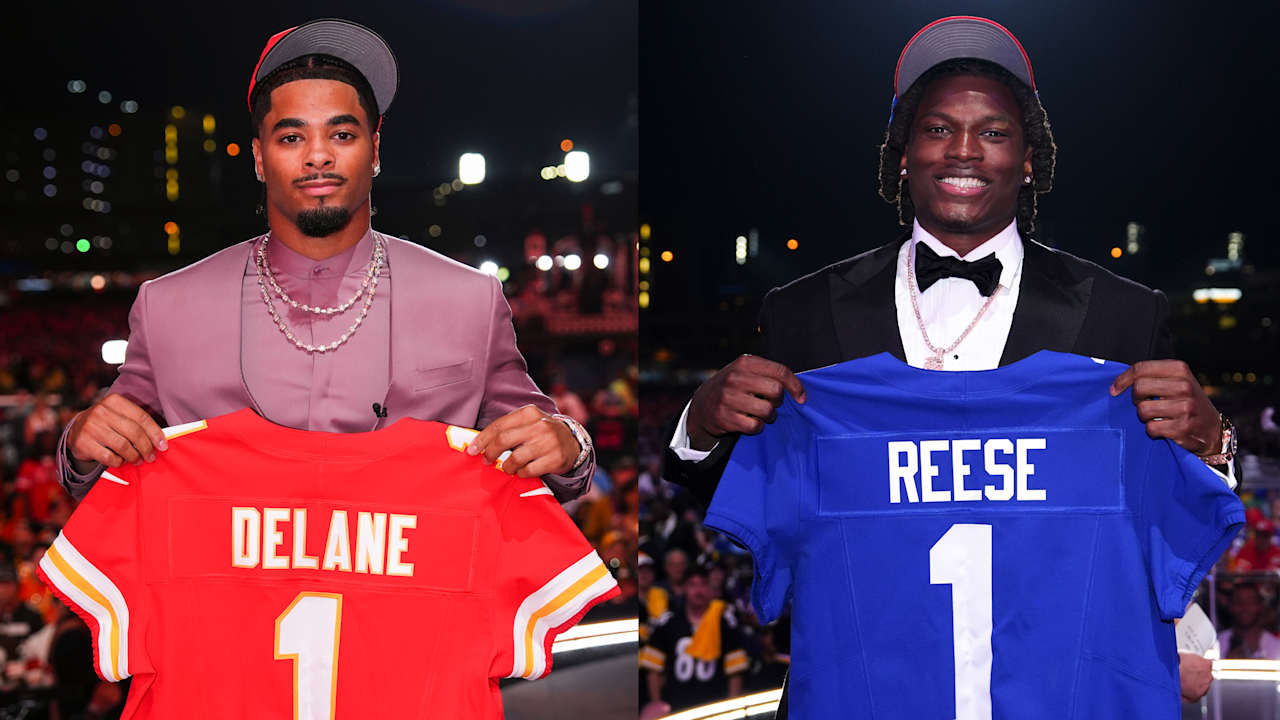
The Kansas City Chiefs are surging in the latest NFL power rankings—not on the strength of a single blockbuster trade or free-agent splash, but through sharp, deliberate drafting that has reshaped their roster with long-term upside. Meanwhile, the San Francisco 49ers, despite emerging from the 2026 draft with multiple new contributors, are drawing skepticism for a familiar pattern: reaching on prospects with high draft capital. The contrast couldn’t be sharper. One team is building sustainably. The other may be gambling on potential at the cost of value.
Chiefs Capitalize on Draft Strategy, Climb Power Index
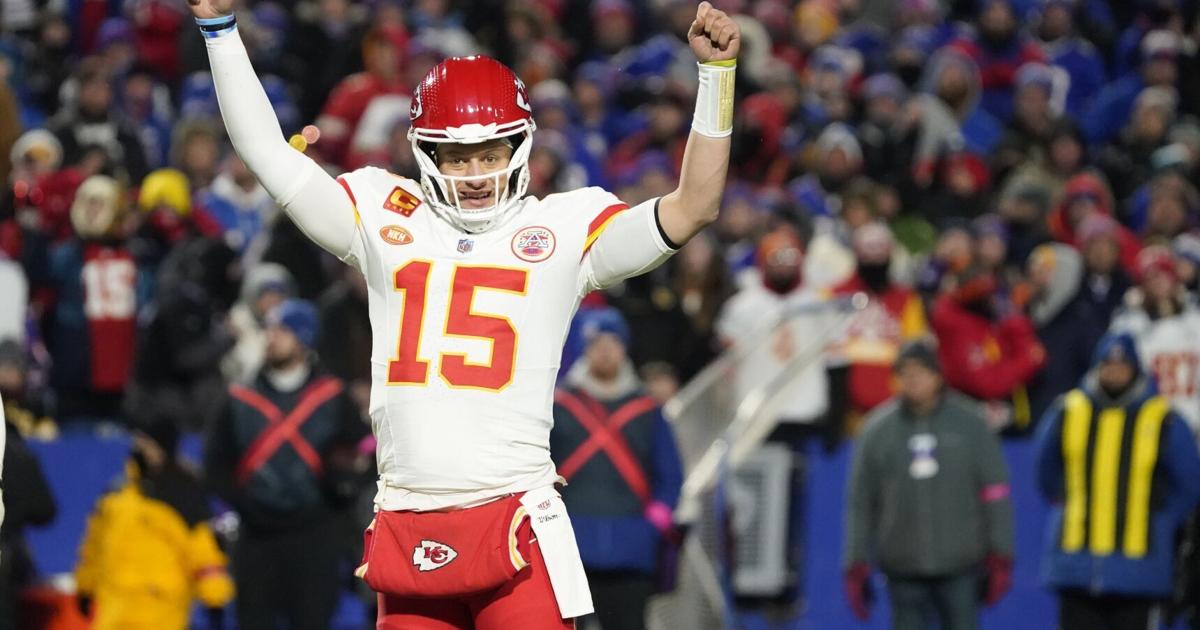
The Chiefs didn’t just add talent in the 2026 draft—they added precision. After years of playing with a lean roster and surviving on Patrick Mahomes’ late-game heroics, Kansas City shifted focus to sustainability. Their approach: load up on high-floor, high-upside athletes in the middle rounds who could immediately contribute on defense and special teams.
Their first pick, a second-round cornerback from LSU known for tight coverage and ball production, filled a glaring need opposite Trent McDuffie. But it was their third-round selection—a versatile linebacker from Oregon with sub-4.5 speed and sideline-to-sideline range—that signaled a new direction. The Chiefs now boast a defense capable of staying on the field, not just hoping for a three-and-out.
“Too many times over the past two seasons, we were one injury away from chaos,” said GM Brett Veach. “This draft wasn’t about fireworks. It was about stability.”
The results are reflected in updated power rankings from ESPN, NFL.com, and The Athletic, where the Chiefs have leapt from No. 18 in the preseason to No. 9 post-draft. Analysts cite not only the talent added but the efficiency of their board: zero overdrafts, no trades up at a steep cost, and a complete absence of reach picks.
49ers Repeat Pattern: Talent Over Value?
San Francisco’s draft class delivered excitement—their first-rounder, a dynamic pass-rusher from South Carolina, recorded 19.5 sacks in his final college season and posted elite SPARQ metrics. But he was widely projected as a late-second-rounder. The 49ers traded up from No. 32 to No. 17 to grab him.
That move fits a troubling trend. Since 2020, the 49ers have traded up in the first round seven times. Four of those selections never made a Pro Bowl. Two were out of the league within four years.
This time, they doubled down. In the second round, they traded up again—this time from No. 45 to No. 33—for a tight end whose college production didn’t match the hype. While he has the physical tools to line up inline or flexed out, his hands were inconsistent, and he dropped 12 passes in his final season.
“San Francisco isn’t drafting for need,” said longtime NFL scout Dan Hatman. “They’re drafting for upside, betting that their coaching staff can fix flaws. Sometimes that works. More often, it backfires.”
The 49ers still rank high in power rankings—No. 6 on Pro Football Focus, No. 8 on CBS Sports—but the margin for error has narrowed. With a capped salary structure and limited draft capital remaining for 2027, one or two misses could destabilize their Super Bowl window.
Evaluating Draft Success: What the Metrics Reveal
The difference between the Chiefs and 49ers comes down to draft capital efficiency—a metric tracked by analysts using Approximate Value (AV), Pro Football Focus grades, and draft trade value indices.
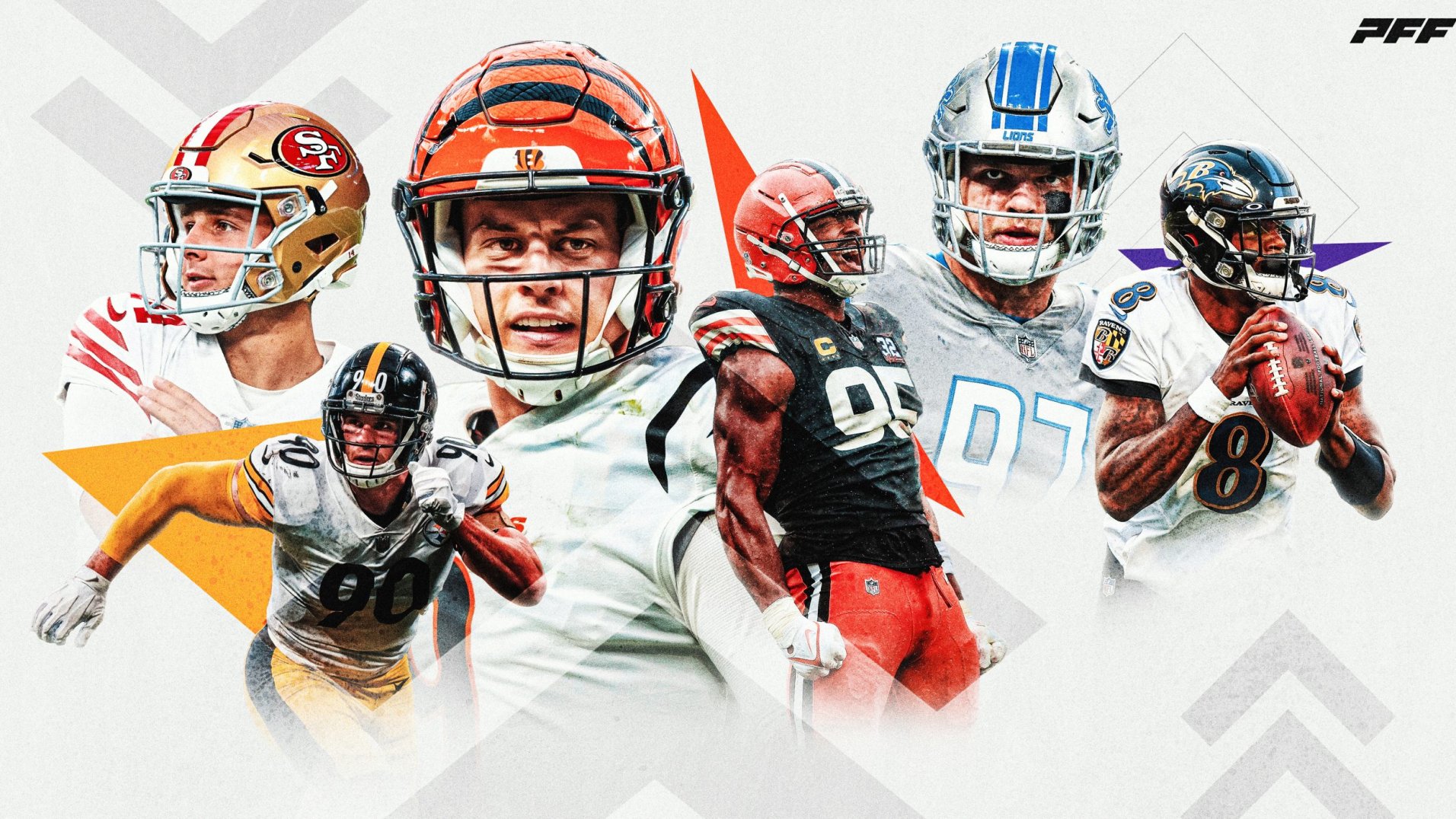
| Team | Picks Used | Trades Up | Avg. PFF Grade (Rounds 1–3) | Projected AV Over 4 Years |
|---|---|---|---|---|
| Chiefs | 7 | 0 | 82.4 | 18.7 |
| 49ers | 5 | 2 | 79.1 | 15.2 |
The Chiefs’ strategy of avoiding trades up preserved capital, allowed for roster depth, and yielded a higher aggregate return. Their seventh-round pick, a developmental safety from Northern Iowa, posted a 4.41 40-yard dash and could contribute on special teams by Week 1.
Meanwhile, the 49ers’ aggressive strategy cost them a third-round pick in 2027, further constraining future flexibility. While their top two picks have higher ceilings, the risk profile is elevated—especially with George Kittle’s contract eating 13% of the cap and Nick Bosa entering a contract year.
Why “Reaching” Still Happens—And Why It’s Dangerous
Reaching—selecting a player earlier than his projected draft slot—remains a persistent flaw in NFL front offices. But it's rarely random. Common drivers include:
- Scouting Bias: Teams fall in love with a prospect after extensive private workouts or personal connections.
- Positional Panic: A perceived lack of depth at a position (e.g., edge rusher) leads to overcorrection.
- Coach Influence: Position coaches or coordinators lobby for specific types they believe they can develop.
- Media Pressure: Public demand for “star power” influences decision-making behind closed doors.
The 49ers’ selection of the South Carolina edge fits all four. He worked out privately with the 49ers’ defensive staff, ran a 4.48-second 40, and dominated a strong SEC schedule in limited snaps. But he also faced criticism for poor run defense and inconsistent motor—traits that don’t always translate to the NFL.
Compare that to the Chiefs’ approach: no private workouts before the combine, no leaks about “love” for a prospect, and a board built on consensus grades. Their process minimized emotion and maximized objectivity.
History shows the danger. The 2018 Jets reached on Sam Darnold at No. 3. The 2021 Dolphins traded up for Jaylen Waddle at No. 6—just one spot too high, but at a steep cost. The 2023 Panthers took Bryce Young No. 1 over Caleb Williams despite red flags. All three teams are now retooling.
How Draft Strategy Impacts Long-Term Power Rankings
NFL power rankings aren’t static. They reflect not just current roster strength but projected trajectory. Teams that draft efficiently—like the Chiefs in 2026—gain upward momentum. Those that gamble—like the 49ers—invite volatility.
Consider recent champions: - The 2020 Buccaneers built around veteran free agents but had strong late-round drafting (e.g., Antoine Winfield Jr.). - The 2022 Chiefs leaned on homegrown talent: Travis Kelce (third round), Creed Humphrey (second), and L’Jarius Sneed (fourth). - The 2023 Eagles drafted well across all rounds, with players like Jordan Davis (first) and Nolan Smith (second) developing on cheap rookie contracts.
Sustainable contention requires more than one elite quarterback. It requires cost-controlled talent across the roster. The Chiefs now have 12 players under 25 contributing at starter or rotational levels. The 49ers? Only eight—four of whom are injury-prone.
That gap will widen if San Francisco’s 2026 picks don’t pan out. And if injuries hit—say, to Brock Purdy or Fred Warner—their lack of depth could send them tumbling in 2027 power rankings.
What Other Teams Can Learn from
This Contrast
The Chiefs-49ers comparison offers a masterclass in drafting philosophy.
For smaller-market teams: Kansas City proves you don’t need flashy picks to stay competitive. Airtight process, disciplined grading, and patience at the trade table yield steady improvement.
For contenders with aging cores: San Francisco’s approach is tempting—bet on upside to extend a window. But it’s riskier. A better model might be the Ravens: mix high-upside picks with high-floor developmental players, and never sacrifice future capital unless absolutely necessary.
For rebuilding franchises: Avoid both extremes. Don’t reach for a “franchise” QB at No. 2 if the tape doesn’t justify it. But don’t pass on elite talent out of rigid adherence to value. There’s a middle path: draft the best player available within a reasonable range of your pick.
Real-World Draft Workflow: How Elite Teams Operate
Behind every successful draft is a disciplined internal process. Here’s how top organizations typically operate:
- Pre-Draft Board Construction (January–March):
- - Combine metrics, college game film, medical reviews, and character assessments are compiled.
- - Players graded on a 50–99 scale, with tiers established.
- - No single scout or coach can override the consensus without documented justification.
- Mock Draft Simulation (April):
- - Front office runs 20+ mock scenarios to identify optimal trade-down opportunities.
- - Emphasis on “value inflection points”—spots where talent drops off sharply.
- Draft Day Execution:
- - Trade-up decisions require GM + head coach + owner approval.
- - No reaching beyond a pre-defined “drop zone” (e.g., no more than 15 spots above consensus).
- Post-Draft Audit (June):
- - Every pick reviewed against PFF grades, AV projections, and development timelines.
- - Mistakes documented and discussed openly to improve future drafts.
The Chiefs followed this model in 2026. The 49ers deviated—particularly at the trade-up stage—raising questions about process integrity.
The 2026 draft didn’t crown a champion. But it did reveal which teams are building to last. The Chiefs, once seen as a one-man show with a decaying supporting cast, are now positioned as a multi-year threat. The 49ers remain dangerous—but their draft strategy adds uncertainty to their ceiling.
For fans and analysts tracking power rankings, the lesson is clear: sustainability beats spectacle. Talent matters, but value matters more. The Chiefs didn’t just win the draft. They won the right way.
Final Thought: In a league where margins are razor-thin, the difference between contender and pretender often comes down to one thing—draft discipline. The Chiefs have it. The 49ers? Still searching.
FAQs
Why are the Chiefs rising in power rankings after the draft? Because they filled critical needs with high-value picks, improved roster depth, and avoided costly trades—signs of a sustainable rebuild.
Did the 49ers make mistakes in the 2026 draft? Their picks have talent, but trading up twice for players outside the consensus first round raises concerns about process and long-term value.
What does “reaching” mean in the NFL draft? It’s selecting a player significantly earlier than most teams and analysts project, often due to team-specific bias or urgency.
How important is draft capital for future success? Extremely. Teams with more picks, especially in Rounds 2–4, have higher odds of finding starters and maintaining roster flexibility.
Can the 49ers still be Super Bowl contenders? Yes, but their margin for error is thinner. If their reach picks don’t develop quickly, their window could close by 2027.
Are the Chiefs a stronger team than the 49ers now? Not necessarily on paper today. But the Chiefs have better long-term outlook due to roster balance, depth, and draft efficiency.
What’s the best draft strategy for NFL teams? Prioritize value, avoid emotional picks, trade down when possible, and focus on best player available within a defined range.
FAQ
What should you look for in Chiefs Surge in NFL Power Rankings After Draft Haul? Focus on relevance, practical value, and how well the solution matches real user intent.
Is Chiefs Surge in NFL Power Rankings
After Draft Haul suitable for beginners? That depends on the workflow, but a clear step-by-step approach usually makes it easier to start.
How do you compare options around Chiefs Surge in NFL Power Rankings After Draft Haul? Compare features, trust signals, limitations, pricing, and ease of implementation.
What mistakes should you avoid? Avoid generic choices, weak validation, and decisions based only on marketing claims.
What is the next best step? Shortlist the most relevant options, validate them quickly, and refine from real-world results.