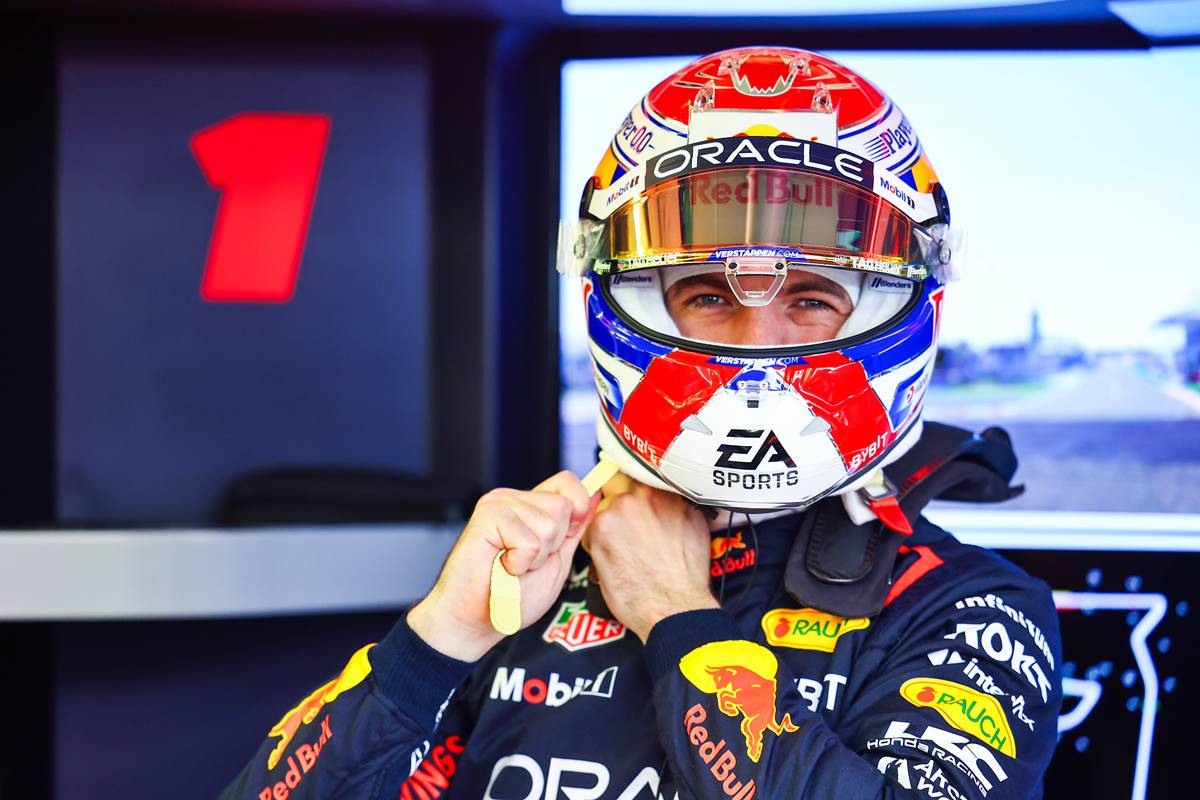
Max Verstappen is the highest-paid driver in Formula 1 for 2026, commanding an annual salary estimated between $55 million and $60 million. This figure includes base compensation, performance bonuses, and commercial incentives tied to Red Bull Racing. His dominance on track, three consecutive world championships (2022–2024), and expanded global profile have solidified his financial standing at the top of the grid.
While exact contracts remain confidential, industry sources, including reports from Motorsport.com, The Race, and Autosport, confirm Verstappen’s deal dwarfs those of his peers. The 2026 season marks a pivotal moment in F1's financial landscape—not only due to new technical regulations but also because of shifting sponsorship models and team budgets influenced by the cost cap. Salaries reflect more than speed; they represent leverage, longevity, and marketability.
Why 2026 Is a Turning Point for Driver Pay
The 2026 season introduces radical new engine regulations aimed at sustainability and cost efficiency. Power units will shift toward 100% sustainable fuels, reduced complexity, and standardized components. These changes alter team investment priorities—and consequently, how driver value is calculated.
Top drivers are no longer just athletes; they’re brand assets. Teams now evaluate return on investment beyond podium finishes. Media engagement, social reach, and commercial pull weigh heavily in negotiations. Verstappen, despite his reserved public persona, brings massive viewership spikes—especially in markets like the Netherlands, where F1 ratings surged during his title runs.
Ferrari and Mercedes, historically high spenders, have tightened budgets under the $135 million cost cap. This has limited their ability to match Red Bull’s aggressive retention strategy. As a result, the pay gap between elite drivers and mid-tier talents has widened.
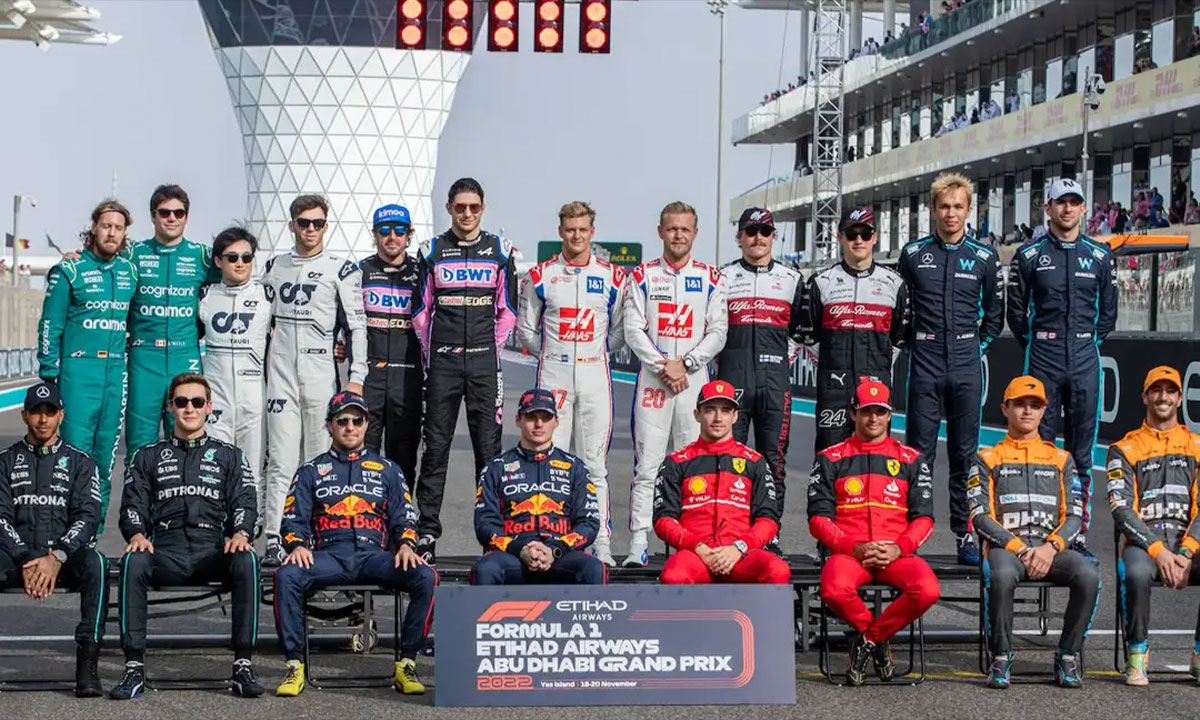
Consider this: while Verstappen earns north of $55M, drivers like Pierre Gasly or Zhou Guanyu fall below $5M. That’s a tenfold difference—highlighting how performance and team success amplify earning potential.
The Pay Hierarchy: F1’s Salary Tiers in 2026
F1 salaries in 2026 fall into four distinct tiers:
| Tier | Estimated Annual Pay | Drivers |
|---|---|---|
| Elite | $50M+ | Max Verstappen |
| Upper Tier | $20M–$35M | Lewis Hamilton, Charles Leclerc |
| Mid Tier | $8M–$15M | Lando Norris, Carlos Sainz, George Russell |
| Entry/Reserve Tier | <$5M | Oscar Piastri, Yuki Tsunoda, reserve drivers |
Verstappen stands alone at the top. Even Hamilton, entering his second year with Ferrari, commands around $30 million—impressive, but not record-breaking by his own past standards. His 2013 Mercedes deal was worth roughly $40M at its peak (adjusted for inflation), but today’s cost-conscious environment limits such figures.
Leclerc earns close to $25M, making him Ferrari’s highest-paid active driver. The team prioritizes stability and marketability in Italy and French-speaking regions, where Leclerc’s clean image and consistent performance resonate.
Norris and Russell represent the rising generation. Both signed extensions in 2024–2025 that lock them into the $12M–$15M range through 2026. Their value lies in youth, digital engagement, and long-term potential. McLaren and Mercedes are betting on legacy-building, not just immediate results.
How Max Verstappen Commands Unmatched Pay
Verstappen’s salary isn’t just about winning—it’s about control. Since 2022, he has won 40 of 70 races, achieving a 57% win rate. That kind of dominance gives him leverage few drivers ever attain.
His 2025 contract extension with Red Bull included critical clauses:

- Long-term brand partnership integration: Verstappen shares revenue from select team sponsorships, including Oracle and Honda.
- Media rights participation: A rare clause allowing him a cut of broadcast value increases directly tied to his performance.
- No-team-option structure: The contract is fully guaranteed, placing all risk on Red Bull.
Few drivers negotiate such terms. Even Hamilton, at his peak, operated under team-option renewals.
Moreover, Verstappen’s off-track appeal has grown. His YouTube channel, behind-the-scenes content, and minimalist charisma attract younger audiences. Red Bull has leaned into this, aligning his personal brand with their extreme sports and energy drink identity.
Compare that to Fernando Alonso in 2026: still competitive at 44, but earning closer to $10M with Aston Martin. Respect is high, but market value is lower. Age, reduced social media presence, and smaller fan engagement metrics limit earning power—even for legends.
The Business Behind Driver Contracts
Driver salaries in F1 are shaped by three forces: performance, sponsorship, and team structure.
Performance is the easiest to measure. Wins, poles, and championship finishes trigger bonuses. Verstappen’s deal includes $2M–$3M in performance incentives—achievable with just a few strong races.
Sponsorship is less visible but equally critical. Drivers bring personal sponsors—“planted” logos on helmets, overalls, or even in-car placements. Verstappen’s partnerships with BWT, Binance, and DPD add millions in indirect compensation. Teams often receive a cut, making these deals mutually beneficial.
Team structure determines spending capacity. Red Bull, backed by billionaire Dietrich Mateschitz’s empire, operates with more financial flexibility than Alpine or Williams. Even under the cost cap, Red Bull leverages sponsorship revenue and ancillary businesses to fund premium contracts.
Mercedes, despite its factory status, has trimmed driver pay to reinvest in development. Their focus in 2026 is on hybrid power unit innovation and young talent pipelines. Hence, Russell earns less than expected for a top-three finisher in 2025.
What About Lewis Hamilton’s Move to Ferrari?
Hamilton’s 2025 transfer to Ferrari was one of the most anticipated shifts in F1 history. Valued at around $30M annually, his deal includes:
- A three-year contract with an option for 2027
- Guaranteed appearance fees for brand events
- Revenue share from co-branded merchandise
But why not more?
First, Ferrari operates under stricter financial oversight post-2023. Their budget compliance with FIA rules limits lavish spending. Second, Hamilton’s role extends beyond racing—he’s expected to elevate Ferrari’s presence in North America and support their Las Vegas Grand Prix ambitions.
However, his on-track performance in 2026 will determine whether he sees additional incentives. Early-season reliability issues with the new Ferrari power unit could delay bonus triggers. Unlike Verstappen, Hamilton’s contract has team-based performance thresholds—meaning salaries can fluctuate based on constructor standings.
Still, Hamilton remains one of F1’s most marketable figures. His partnership with Tommy Hilfiger, X44 Racing, and sustainability initiatives boost his net worth beyond salary. But in pure F1 earnings for 2026, he trails Verstappen by over $20 million.
The Role of Young Talent and Pay Drivers
While Verstappen and Hamilton dominate headlines, 2026 highlights a growing divide between funded drivers and self-made stars.
“Pay drivers”—those who bring sponsorship to secure seats—still exist but are rarer under the cost cap. Teams prefer performance-first hires. That said, drivers like Oliver Bearman (Ferrari reserve) entered F1 with financial backing from British racing programs and personal investors.
Meanwhile, talents like Oscar Piastri (McLaren) prove that skill can override funding needs. Piastri earns around $4.5M—modest, but justified by his rapid adaptation and technical feedback. His long-term upside could push his pay into the $15M range by 2028.
The key for young drivers is timing. Breaking in during a regulation shift (like 2026) offers opportunity. New car designs level the playing field slightly, allowing rookies to shine without legacy biases.
But without results, salaries stagnate. Nyck de Vries’ departure from AlphaTauri after a single season illustrates the risk. Despite connections, underperformance ends contracts fast.
Future Outlook: Will Salaries Keep Rising?
F1’s global expansion—new races in Las Vegas, Qatar, and potential Indian entries—drives revenue. Broadcast deals with Netflix, ESPN+, and Sky Sports are more lucrative than ever. In theory, this should inflate driver pay.
But structural constraints remain. The cost cap discourages bidding wars. Teams with deep pockets (Red Bull, Ferrari, Mercedes) still lead, but they’re cautious. A single oversized contract can compromise aerodynamic development or pit crew staffing.
Additionally, F1 is investing in long-term talent pipelines. The FIA Formula 3 and Formula 2 feeder series are better funded, enabling teams to scout younger, cheaper drivers. This creates downward pressure on starter salaries.
Still, elite performers will always command premium pay. If Lando Norris wins a championship in 2026, his $15M deal could double by 2027. Same for George Russell or Charles Leclerc.
But for now, Max Verstappen is untouchable.
Final Verdict: Performance, Timing, and Leverage Define Earnings
The title of highest-paid F1 driver in 2026 belongs unequivocally to Max Verstappen. His combination of sustained excellence, team loyalty, and strategic negotiation has placed him in a financial tier of his own.
Other drivers earn respect and solid paychecks, but none match Verstappen’s total package. The sport’s evolving economics—driven by technology, media, and cost controls—make such disparities likely to persist.
For aspiring drivers, the lesson is clear: win consistently, build a brand, and time your contract extensions during peak demand. For fans, it’s a reminder that behind every race is a complex web of value, influence, and investment.
If you're tracking F1’s financial evolution, watch the contract cycles—not just the podiums.
FAQ
Who is the highest-paid F1 driver in 2026? Max Verstappen is the highest-paid driver in 2026, earning between $55 million and $60 million with Red Bull Racing.
How much does Lewis Hamilton earn at Ferrari? Hamilton earns approximately $30 million annually, including base salary and commercial incentives.
Do F1 drivers get paid more for winning championships? Yes, most top drivers have performance bonuses—Verstappen’s contract includes multi-million-dollar payouts for titles and race wins.
Why does Verstappen earn more than other champions? His combination of dominance, global appeal, and rare contractual terms (like media revenue shares) elevates his total compensation.
Are team salaries public in F1? No, exact figures are confidential, but estimates come from insider reports, financial disclosures, and industry analysts.
Does the cost cap affect driver salaries? Yes, the $135 million cost cap limits what teams can spend, making high salaries harder to justify without performance returns.
Could a new driver surpass Verstappen’s pay by 2027? Only if they win multiple titles and secure similar leverage—unlikely in the near term without a structural shift.
FAQ
What should you look for in Who Is the Highest-Paid Formula 1 Driver in 2026?? Focus on relevance, practical value, and how well the solution matches real user intent.
Is Who Is the Highest-Paid Formula 1 Driver in 2026? suitable for beginners? That depends on the workflow, but a clear step-by-step approach usually makes it easier to start.
How do you compare options around Who Is the Highest-Paid Formula 1 Driver in 2026?? Compare features, trust signals, limitations, pricing, and ease of implementation.
What mistakes should you avoid? Avoid generic choices, weak validation, and decisions based only on marketing claims.
What is the next best step? Shortlist the most relevant options, validate them quickly, and refine from real-world results.